-
Where to Travel in Gyeongju? Best Places, Food & Local Tips for First-Time VisitorsLifeStyle 2026. 8. 22. 15:50

If Seoul shows you modern Korea and Jeju shows you Korea’s natural beauty, Gyeongju is where you go to experience the country’s ancient history.
Gyeongju was the capital of the Silla Kingdom for nearly 1,000 years, and the city is filled with royal tombs, temples, palace ruins, observatories and traditional hanok streets. UNESCO-listed historic areas are spread throughout the city, and many of the most famous sites are close enough to explore on foot.
For first-time visitors, I recommend 1–2 full days. One day is enough to see the major downtown attractions, but two days gives you time for Bulguksa Temple, cafés, local food and a slower evening walk.
1. Bulguksa Temple — Gyeongju’s Most Famous Temple
Bulguksa Temple is one of the best places to begin a Gyeongju trip.
The temple represents the height of Silla Buddhist culture and is one of Korea’s most famous historic sites. Its stone stairways, colorful wooden halls and mountain surroundings make it beautiful in every season, especially during spring and autumn.
If you have time, combine Bulguksa with Seokguram Grotto, located nearby on Tohamsan Mountain.
Best for: history, temples, photography, autumn foliage
Recommended route:
Bulguksa → Seokguram → downtown Gyeongju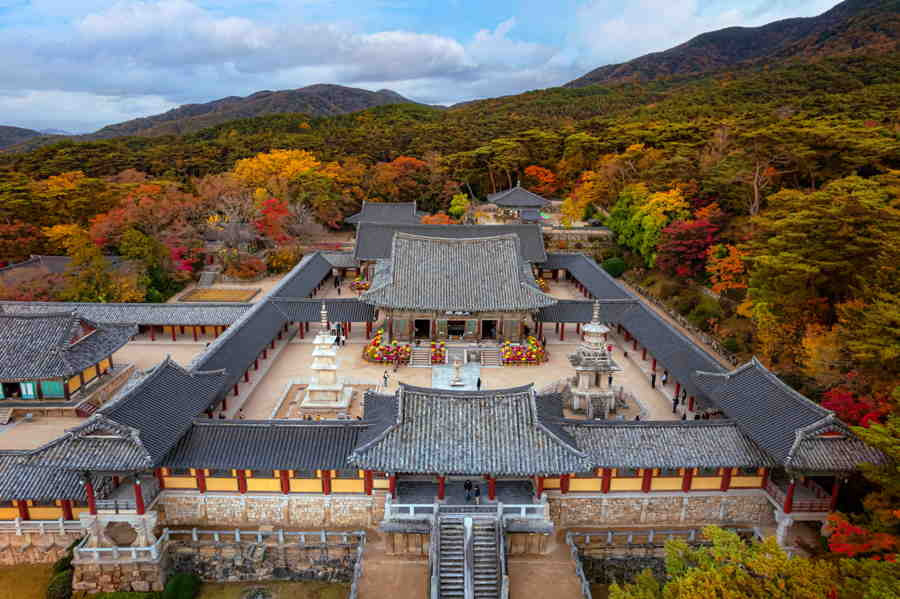
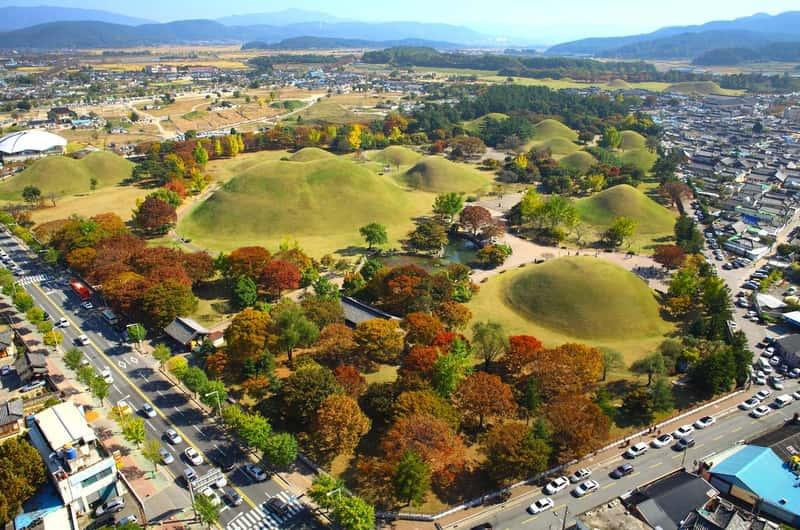
2. Daereungwon Tomb Complex — Walk Among the Kings of Silla
One of the most unique things about Gyeongju is seeing enormous grassy royal tombs right in the middle of the city.
Daereungwon contains 23 ancient tombs from the Silla Kingdom. One of the best-known is Cheonmachong, where visitors can actually enter a reconstructed burial chamber and learn how Silla royalty was buried.
The smooth green mounds are especially beautiful around sunset, and the famous magnolia-tree photo spot is one of Gyeongju’s most photographed locations.
Best for: photography, history, couples, walking
3. Cheomseongdae — One of Korea’s Most Famous Ancient Landmarks
A short walk from Daereungwon brings you to Cheomseongdae.
Built during the reign of Queen Seondeok, it is one of Gyeongju’s symbolic landmarks and is often described as one of the oldest surviving astronomical observatories in East Asia.
The surrounding area is beautiful because there are large open fields, seasonal flowers and walking paths connecting several historic sites.
I especially recommend visiting in the late afternoon, then continuing toward Woljeonggyo Bridge and Donggung Palace after sunset.
Best for: history, night walks, photography

4. Donggung Palace & Wolji Pond — Gyeongju’s Best Night View
If you only visit one place in Gyeongju after sunset, make it Donggung Palace and Wolji Pond.
The site was once part of a Silla royal palace and was used for royal banquets and important guests. At night, the restored palace buildings are illuminated and reflected across the pond, creating one of the most beautiful night scenes in Korea.
The official Gyeongju tourism guide even recommends it as the city’s top evening attraction.
Best time: sunset to night
Best for: couples, photography, night scenery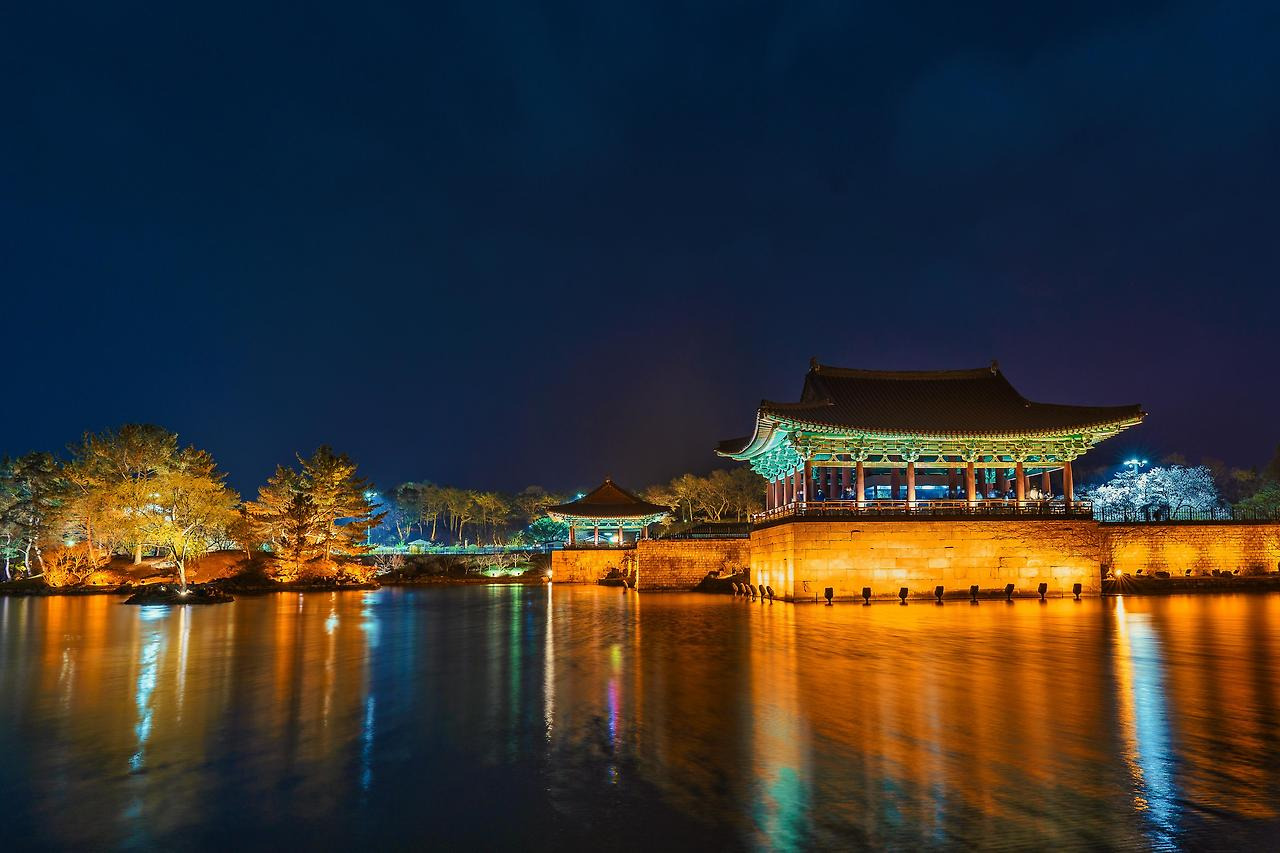
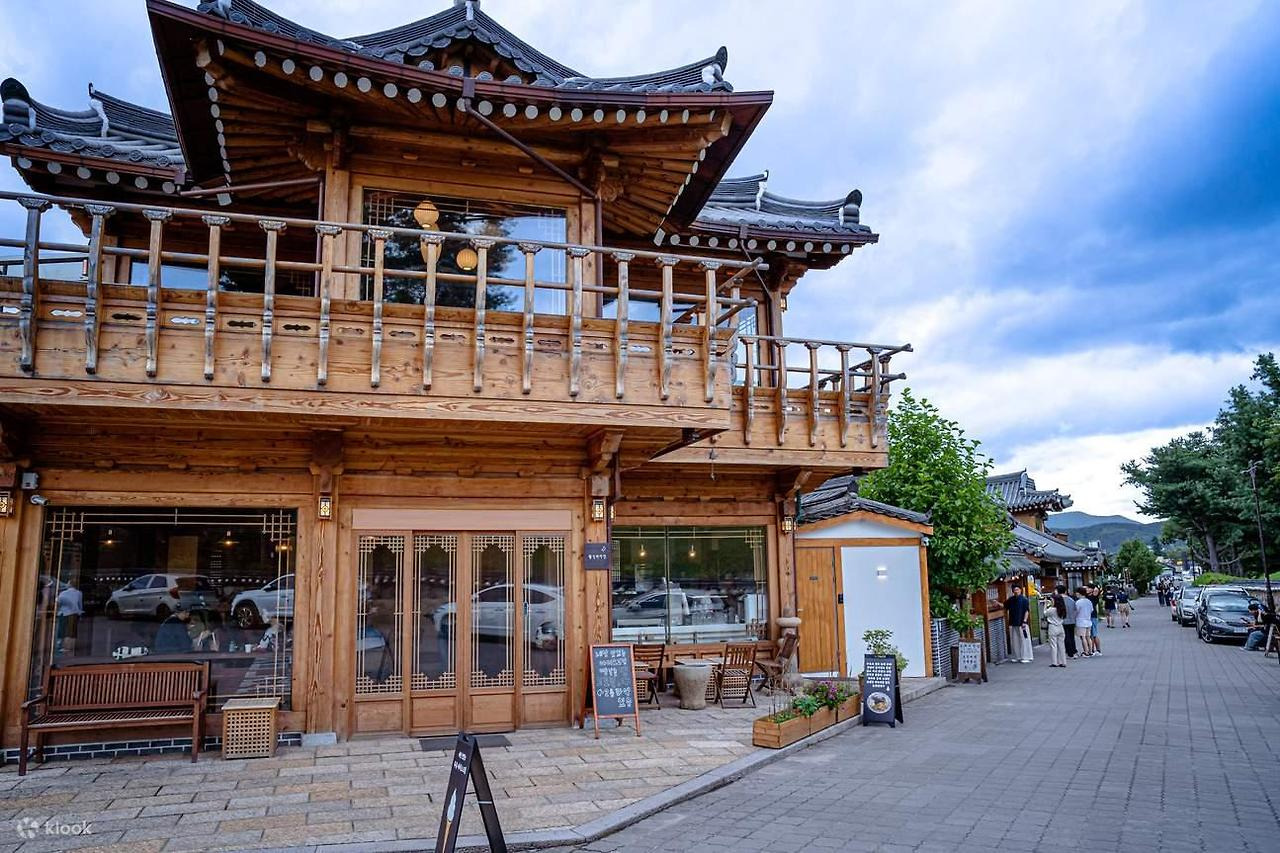
5. Hwangridan-gil — Cafés, Hanok Houses & Modern Gyeongju
Gyeongju is not only about ancient ruins.
Hwangridan-gil is the city’s trendiest neighborhood, filled with cafés, restaurants, souvenir stores, small boutiques and renovated hanok buildings.
The area grew around Poseok-ro near Daereungwon and has become one of the most popular places for younger travelers. Because the area has relatively few high-rise buildings, you can still enjoy traditional rooftops and the historic Gyeongju skyline from many cafés.
Come here for lunch, dessert or a rooftop café before walking to Daereungwon.
Best for: cafés, food, shopping, couples
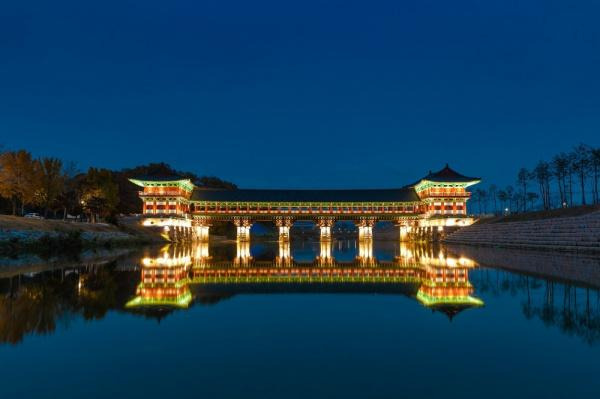
6. Woljeonggyo Bridge — One of Gyeongju’s Best Evening Walks
Woljeonggyo Bridge is another place that becomes much more beautiful after sunset.
The reconstructed wooden bridge is illuminated at night, and its reflection on the water makes it one of Gyeongju’s most atmospheric photo spots. The official tourism route connects it naturally with Cheomseongdae, Gyelim Forest and Donggung Palace.
A great evening walking route is:
Daereungwon → Cheomseongdae → Gyelim → Woljeonggyo → Donggung & Wolji
The downtown historic area is compact enough that several major attractions sit within roughly a 2 km radius.
What Should You Eat in Gyeongju?
Gyeongju has several foods that are strongly associated with the city.
Hwangnam-ppang
The most famous Gyeongju souvenir is Hwangnam-ppang, a small round pastry filled with sweet red-bean paste.
You will see many shops selling it around Hwangnam-dong and near major tourist areas.
It is easy to carry and makes a good gift if you are traveling back to Seoul or Busan.
Gyeongju Bread
You may also see products simply called Gyeongju bread. These are similar sweet red-bean pastries and are sold throughout the city.
Ssambap
For a proper meal, try ssambap.
Rice, meat, vegetables and side dishes are served with various leafy greens so you can make your own wraps. It is a good choice if you want a more traditional Korean meal rather than café food.
Korean Beef
Gyeongju and the surrounding Gyeongsang region also have many restaurants serving Korean beef (hanwoo). If your budget allows, this can be a great dinner option after a full day of sightseeing.
A Simple 2-Day Gyeongju Itinerary
Day 1 — Historic Downtown
Hwangridan-gil
→ Daereungwon
→ Cheomseongdae
→ Gyelim Forest
→ Woljeonggyo Bridge
→ Donggung Palace & Wolji PondThis is the best route for a first-time visitor because most of the attractions are close together and the scenery gets better as the sun goes down.
Day 2 — Silla Culture & Temple Day
Bulguksa Temple
→ Seokguram Grotto
→ Gyeongju National Museum
→ Bomun area or café
→ Korean BBQ / ssambap dinnerThe National Gyeongju Museum is worth visiting if you want to understand what you saw on Day 1. The museum contains major Silla artifacts, including famous gold objects excavated from the city’s royal tombs.
Where Should You Stay in Gyeongju?
Hwangridan-gil / Hwangnam-dong
→ Best for first-time visitors, cafés and walking to major historic attractionsDowntown / Bus Terminal area
→ Best for transportation and budget accommodationBomun Tourist Complex
→ Best for resorts, families and a quieter stayFor a short first trip, I would choose Hwangnam-dong near Hwangridan-gil.
You can walk to Daereungwon, cafés and many central attractions without constantly taking taxis or buses.
How to Get Around Gyeongju
Unlike Seoul, Gyeongju does not have a subway.
For the historic downtown area, walking is often the easiest option.
For Bulguksa, Seokguram or Bomun, use a local bus or taxi.
Because many major downtown heritage sites are concentrated close together, you can create a very efficient walking route without spending much money on transportation.
Final Gyeongju Travel Tip
Do not treat Gyeongju like a city where you simply rush between museums.
The best part of Gyeongju is the atmosphere between the attractions.
Walk past ancient royal tombs, stop at a hanok café, watch the sunset behind Cheomseongdae, cross Woljeonggyo after dark and finish at Donggung Palace.
My ideal first Gyeongju trip would include:
Bulguksa for Buddhist history
- Daereungwon for Silla royal tombs
- Cheomseongdae for an iconic landmark
- Hwangridan-gil for cafés and food
- Woljeonggyo for an evening walk
- Donggung & Wolji for the night view
Gyeongju is one of the few places in Korea where a thousand years of history feels like part of the modern city rather than something locked inside a museum.
If you are already planning Seoul and Busan, adding Gyeongju between the two can make your Korea trip feel much more complete.
'LifeStyle' 카테고리의 다른 글